About

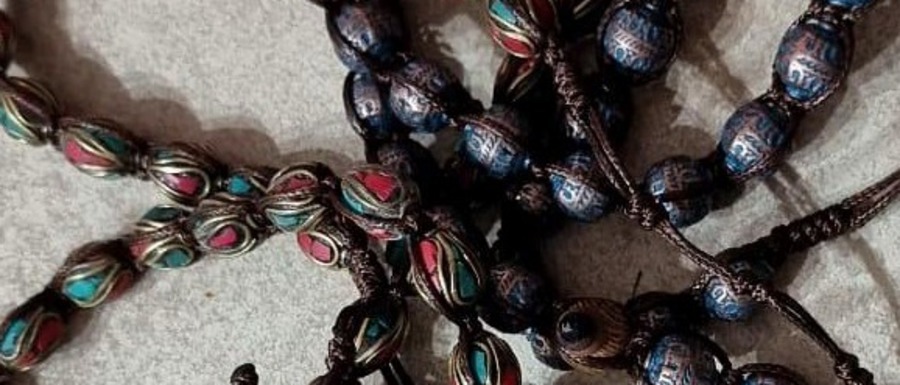
In cima ai monti silenziosi del Nepal, oltre i sentieri battuti dal vento e coperti di incenso, sorgeva il monastero di Parvata Shanti. Lì, tra mura scolpite nel legno e nel tempo, vivevano monaci che avevano scelto la via della meditazione e della semplicità. Nessun possesso, nessuna ricchezza. Solo il respiro, il canto del vento e il silenzio interiore. Fra questi monaci c’era Ananda, un giovane dal cuore inquieto. Diverso dagli altri, non trovava la pace solo nella preghiera, ma anche nel gesto delle mani. Quando non era in meditazione, scolpiva piccole statue, intrecciava fili, lucidava metalli. Per lui, la spiritualità passava anche attraverso l’arte. Un giorno, durante una delle sue rare escursioni nei boschi vicini, Ananda si imbatté in una pietra particolare. Era nera come la notte, ma con riflessi dorati che sembravano respirare al sole. Sembrava viva. Ne raccolse alcune e le portò al tempio, chiedendosi se potessero avere un significato. Il Maestro, un monaco anziano dal viso inciso dal tempo, osservò le pietre e sorrise. “Queste vengono dalle viscere della montagna sacra. Sono rare. La gente del villaggio le chiama ‘le lacrime della terra’.” Ananda, ispirato, iniziò a lavorare in silenzio. Modellò delle sfere di ottone lucido, un metallo semplice ma resistente, e vi incastonò le pietre scure. Nacquero così i primi bracciali Kaalo Sona – “Oro Scuro”. Quando li donò ai suoi fratelli monaci, accadde qualcosa di curioso. I bracciali non erano solo belli: sembravano infondere calma, chiarezza e determinazione. Alcuni monaci iniziarono a meditare con maggiore intensità. Altri dissero di aver fatto sogni rivelatori. Il Maestro stesso ne indossava uno al polso, dicendo che custodiva “la luce nascosta nell’ombra”. Col tempo, la voce si sparse oltre il monastero. Pellegrini e viaggiatori arrivavano per ricevere uno di quei bracciali. Non erano venduti. Venivano dati in dono a chi dimostrava vera intenzione e rispetto. Il tempio non si arricchiva, ma il mondo cominciava a cambiare, una persona alla volta. I Kaalo Sona divennero simboli: di equilibrio, di connessione tra materia e spirito, di bellezza che nasce dall’oscurità. Ogni bracciale portava dentro di sé un frammento della montagna, un respiro del monastero, un tocco della mano di Ananda. Oggi, in un mondo spesso distratto e rumoroso, quei bracciali esistono ancora. Non nei grandi negozi, ma nei cuori di chi li riceve come dono. Ricordano che l’oro più prezioso non è quello che brilla alla luce, ma quello che splende nel silenzio dell’anima.
I bracciali non sono in vendita su nessun sito: per ricevere indicazioni su come averne uno a casa vostra, è sufficiente scriverci via email.
Ma ricordate: i Kaalo Sona non vanno mai comprati per se stessi, vanno sempre regalati, perché il loro vero valore è nel gesto del dono.
At the top of the silent mountains of Nepal, beyond the paths beaten by the wind and veiled in incense, stood the monastery of Parvata Shanti. There, among walls carved in wood and in time, lived monks who had chosen the way of meditation and simplicity. No possessions, no wealth. Only breath, the song of the wind, and inner silence.
Among these monks was Ananda, a young man with a restless heart. Unlike the others, he did not find peace only in prayer, but also in the work of his hands. When he was not meditating, he sculpted small statues, wove threads, polished metals. For him, spirituality also flowed through art.
One day, during one of his rare walks in the nearby woods, Ananda came across a peculiar stone. It was black as night, but with golden reflections that seemed to breathe in the sunlight. It seemed alive. He gathered a few and brought them back to the temple, wondering if they could hold any meaning.
The Master, an elder monk with a face etched by time, looked at the stones and smiled.
“These come from the depths of the sacred mountain. They are rare. The villagers call them the tears of the earth.”
Inspired, Ananda began to work in silence. He shaped spheres of polished brass, a simple yet resilient metal, and set the dark stones into them. Thus were born the first Kaalo Sona bracelets – the Dark Gold.
When he offered them to his fellow monks, something curious happened. The bracelets were not only beautiful: they seemed to infuse calm, clarity, and determination. Some monks began to meditate with greater intensity. Others spoke of having revelatory dreams. The Master himself wore one on his wrist, saying it preserved “the light hidden in the shadow.”
Over time, word spread beyond the monastery. Pilgrims and travelers arrived, hoping to receive one of these bracelets. They were never sold. They were given as gifts to those who showed true intention and respect. The temple did not grow rich, but the world slowly began to change, one person at a time.
The Kaalo Sona became symbols: of balance, of the bond between matter and spirit, of beauty born from darkness. Each bracelet carried within it a fragment of the mountain, a breath of the monastery, a touch of Ananda’s hand.
Today, in a world often distracted and noisy, those bracelets still exist. Not in large stores, but in the hearts of those who receive them as a gift. They remind us that the most precious gold is not the one that shines in the light, but the one that glows in the silence of the soul.
The bracelets are not for sale on any website: to receive guidance on how to bring one into your home, simply write to us via email.
But remember: Kaalo Sona are never meant to be bought for oneself — they are always meant to be given as a gift, for their true value lies in the act of giving.